

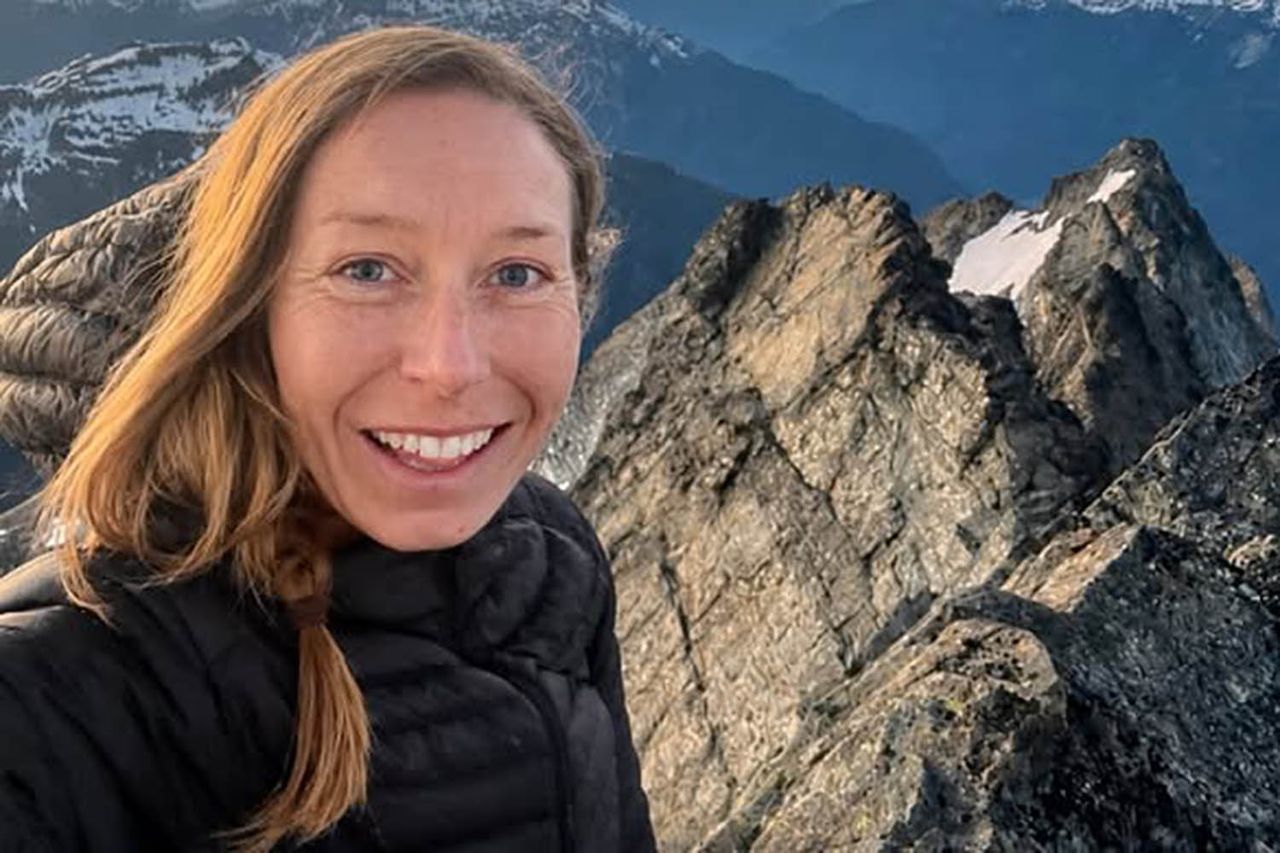
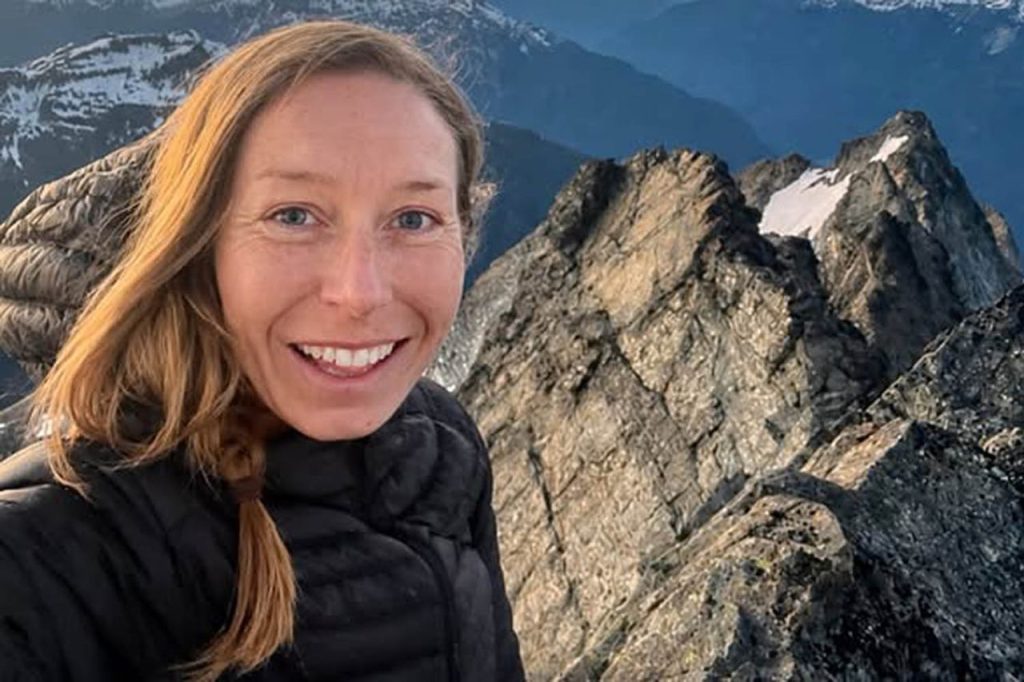
Some stories arrive not as breaking news but as quiet, painful confirmations of what had already been feared. This week, the family of Canadian skyrunner and mountaineer Kalie McCrystal offered exactly that kind of confirmation, more than two weeks after she went missing on the Matterhorn in the Swiss Alps, one of the most storied and unforgiving peaks in mountaineering.
McCrystal had built a reputation within Canada’s endurance and mountaineering community as an elite skyrunner, a discipline that combines the punishing demands of ultra-distance trail running with the technical challenges of high-altitude mountain terrain. The sport draws a small but devoted community of athletes willing to push themselves across some of the world’s most dangerous alpine landscapes, often alone or in small groups, far from easy rescue access should conditions turn.
The Matterhorn, straddling the border between Switzerland and Italy, has long carried a fearsome reputation even among experienced alpinists. Its distinctive pyramidal peak, instantly recognizable from countless photographs and even corporate logos, belies genuinely treacherous climbing conditions — unpredictable weather, technical rock and ice sections, and a long history of fatalities dating back to its first ascent in 1865, when four of the seven climbers in the summit party died during the descent. For elite mountaineers like McCrystal, the mountain represents both an iconic personal challenge and a well-understood risk, one that generations of climbers have weighed against the pull of the summit.
Details about the specific circumstances that led to McCrystal’s disappearance have not been fully disclosed in public reporting, though the timeline places her going missing more than two weeks before her family’s statement this week — a period that would have spanned an intensive search effort typical of high-alpine rescue operations, which often involve helicopter searches, mountain rescue teams familiar with the specific terrain, and coordination between Swiss and, given the border location, potentially Italian authorities as well.
In their statement, McCrystal’s family struck a tone that balanced grief with a clear sense of who she had been and what the mountains had meant to her throughout her life. They said she remains among the peaks where she felt most at home — language that speaks to a life built around a genuine, chosen relationship with high-altitude wilderness, rather than a passing interest or occasional recreation. For those in the skyrunning and mountaineering community, that kind of framing is a familiar, if difficult, way of processing loss: an acknowledgment that the same landscapes capable of taking a life are often also the ones that gave that life its deepest sense of purpose and belonging.
McCrystal’s disappearance and the subsequent confirmation of her death add her name to a long, somber history of climbers who have died on or around the Matterhorn over the past 160 years. The mountain’s combination of accessibility — it draws far more attempts than many equally difficult peaks, thanks to its fame and relatively well-established climbing routes — and genuine technical danger has made it a recurring site of mountaineering tragedy, even as improvements in equipment, weather forecasting, and rescue technology have reduced fatality rates compared to earlier eras of alpine climbing.
Within Canada specifically, McCrystal’s death is likely to prompt renewed conversation within the country’s relatively tight-knit ultra-endurance and mountaineering community about the risks inherent to skyrunning at an elite level. It’s a sport that, almost by definition, requires athletes to operate at the outer edges of both physical endurance and technical mountaineering skill simultaneously — a combination that offers extraordinary rewards in terms of personal achievement and connection to genuinely wild landscapes, but one that also carries risks difficult to fully mitigate no matter how experienced or well-prepared an athlete might be.
As tributes and memories from friends, training partners, and fellow athletes continue to surface in the wake of the family’s statement, the broader arc of McCrystal’s story is likely to be remembered less for the circumstances of her death and more for the life that preceded it — one defined, by every account available, by a deep and genuine devotion to the mountains that ultimately became both her calling and, in the end, her final resting place. For a Canadian sporting community that tends to operate largely outside the mainstream spotlight, her loss registers as a profound one, a reminder of both the extraordinary courage required to pursue elite mountaineering and the irreducible risks that no amount of skill or preparation can ever fully erase.



0 Comments