

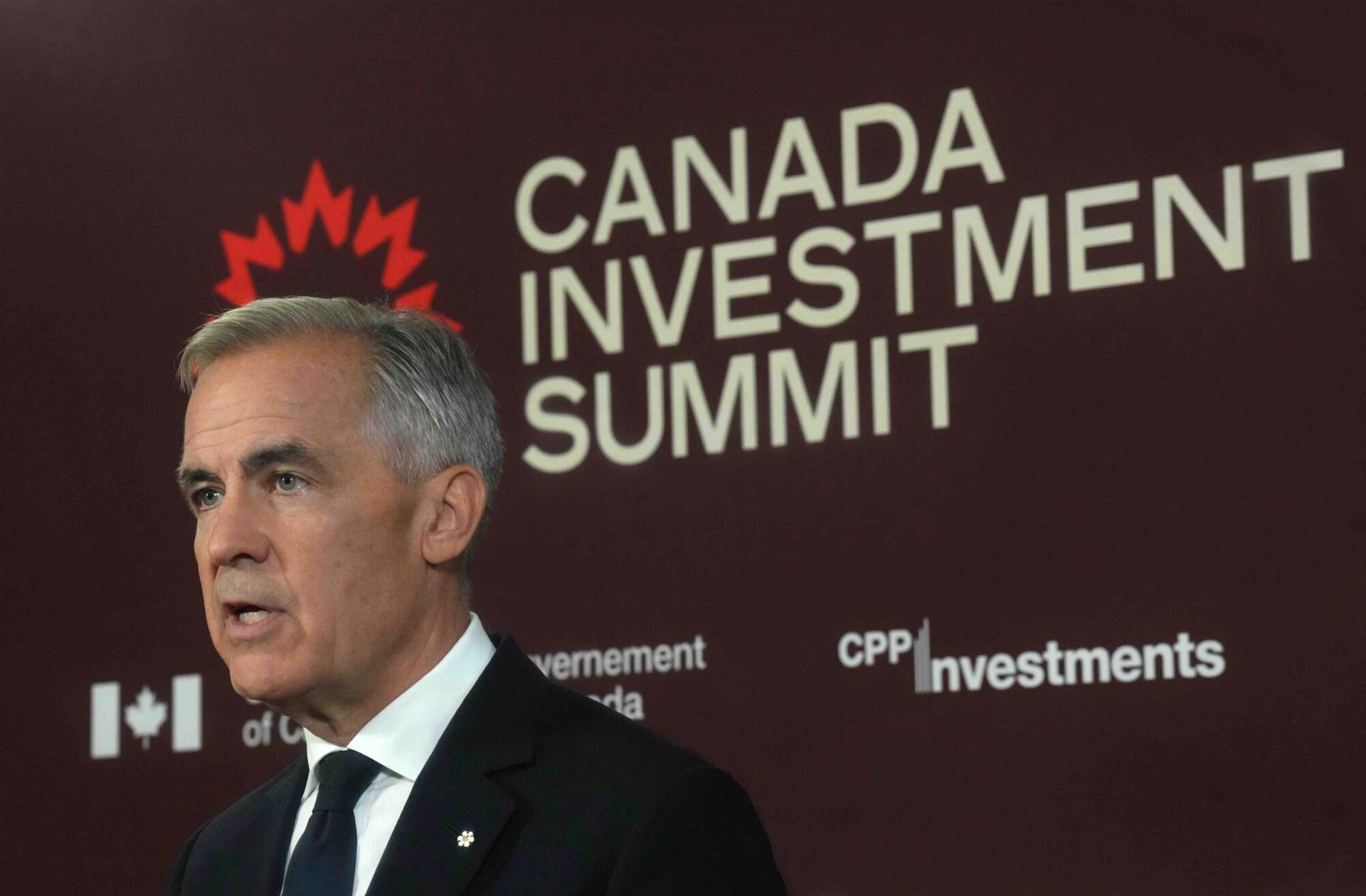
Toronto spent two days this week playing host to a kind of gathering it rarely sees: a room full of the planet’s biggest pools of capital, assembled specifically to be pitched on Canada. The Canada Investment Summit, held September 14 and 15, was Mark Carney’s first major attempt as prime minister to translate his background in global finance into a concrete national strategy — and by most accounts, he didn’t hold back.
Carney reportedly invited more than 100 of the world’s largest institutional investors to attend, a guest list built to include the kind of pension funds, sovereign wealth vehicles, and infrastructure specialists capable of writing checks in the billions. The summit’s agenda blended keynote addresses with more intimate formats; Carney himself took part in a fireside chat with Deborah Orida, chief executive officer of PSP Investments, one of Canada’s largest public pension managers, before holding a media availability to field questions on the summit’s broader goals.
The event’s centerpiece announcement — the plan to open Canada’s four largest airports to private investment — was clearly designed to give attendees something concrete to react to, rather than leaving the summit as an exercise in abstract salesmanship. But the airport plan was far from the only item on the table. According to reporting compiled in the days surrounding the summit, discussions touched on broader infrastructure financing, energy investment, and the kind of large-scale capital projects that Carney has argued Canada has under-invested in for years.
Not everyone welcomed the spectacle. The summit drew visible protests from Indigenous leaders and environmental groups, who used the high-profile gathering as an opportunity to press concerns about land rights, resource development, and the pace and transparency of major infrastructure decisions being made without, in their view, adequate community consultation. Their presence outside the summit venue served as a pointed counterpoint to the polished pitches being delivered inside — a reminder that “unlocking capital,” in Carney’s phrase, inevitably means unlocking decisions about land and resources that other Canadians consider anything but abstract.
The choice of Toronto as host city was itself notable, arriving in the same week the city was consumed by its own municipal election drama, including its first mayoral debate. The juxtaposition — global capital being courted at a downtown summit while candidates argued over transit funding and public safety just blocks away — captured something of the strange, layered moment Canadian politics finds itself in: a federal government pitching itself as newly open for business abroad, even as core municipal services back home remain subjects of heated local debate.
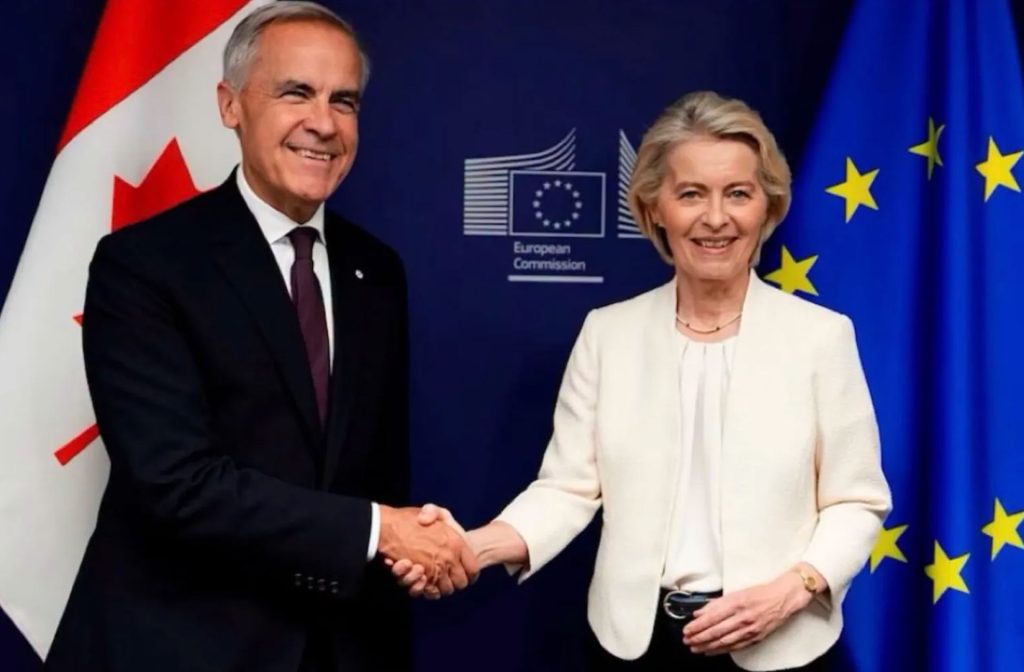
Carney’s schedule around the summit also revealed how central the event was to his broader diplomatic calendar this week. Immediately following his Tuesday keynote and the fireside chat with Orida, the prime minister’s office confirmed he would depart later that day for Strasbourg, France — setting up the sequence of events that would culminate, just one day later, in the European Union’s surprise offer of associate membership to Canada. Viewed together, the summit and the Strasbourg trip look less like two unrelated news items and more like two halves of a single strategic push: attract global capital into Canada on one front, while securing new geopolitical alliances on the other, all in service of a broader effort to reposition Canada’s economy amid its ongoing trade conflict with the United States.
Economists and business commentators have offered mixed early assessments of whether the summit will produce results that go beyond announcements. Skeptics note that investment summits are, by their nature, exercises in optimistic signaling — plenty of speeches, fewer signed term sheets. Optimists counter that Carney’s background running the Bank of Canada and the Bank of England gives him a level of credibility with institutional investors that few Canadian prime ministers have possessed, and that the airport announcement alone demonstrates a willingness to make concrete, if controversial, policy moves rather than simply courting goodwill.
What’s clear is that the summit marks an attempt to reframe Canada’s economic narrative at a moment when that narrative badly needed reframing. Weeks earlier, headlines out of Ottawa centered on collapsed trade talks with Washington and a mounting slate of retaliatory tariffs. By staging a glossy, forward-looking investment summit and pairing it with headline-grabbing policy announcements, Carney’s government appears determined to ensure that the story of Canada’s economy in September 2026 is remembered as one of ambition and diversification — not merely one of a trade war with its largest historical partner. Whether the tens of billions in promised capital materialize in the months ahead will ultimately determine which version of that story holds up.




0 Comments