

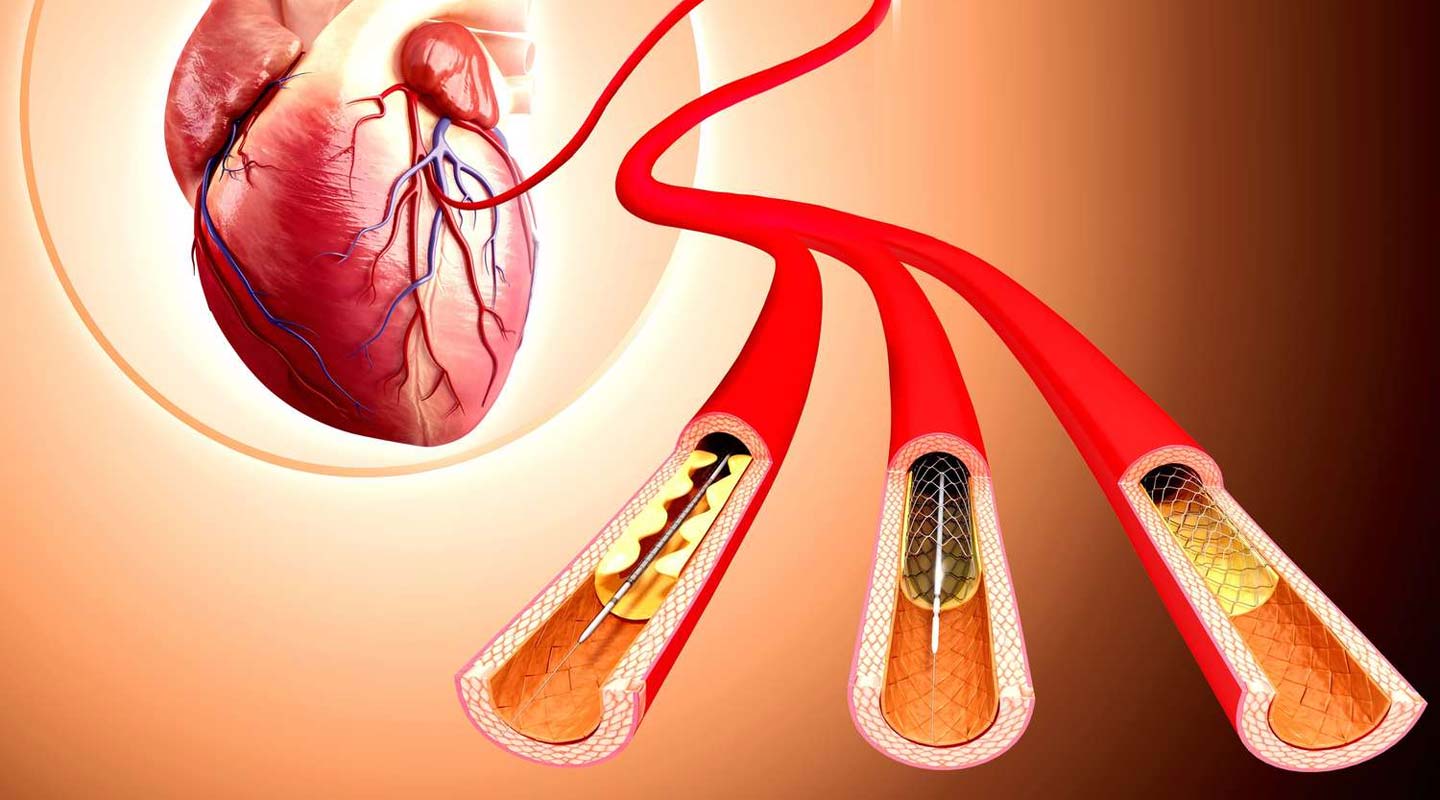
For decades, patients with clogged heart arteries have often been told that opening or bypassing the blockage is the safest path. A major long-term trial now challenges part of that assumption. Patients with stable heart disease who received a stent or bypass surgery early in their treatment did not live longer than those who received more conservative treatment, the study found.
The trial
The findings come from ISCHEMIA-EXTEND, the long-term follow-up of a large international trial. Researchers reported the results on Nov. 7 in JAMA. The study included patients with stable heart disease and abnormal stress tests, and recorded 1,071 deaths over up to 13 years after patients entered the trial. The conservative approach used prescription drugs and lifestyle changes aimed at lowering cholesterol and blood pressure.
What the lead researcher said
Dr. Judith Hochman of NYU Grossman School of Medicine, who chaired the trial, put the result carefully. She said the analyses show that managing stable coronary artery disease with early heart procedures helps relieve chest pain and improves quality of life in those with chest pain, but is unlikely to help patients live longer.
That distinction is central. The trial did not say procedures are useless. It said they do not appear to extend survival in this specific group.
Who the findings do not apply to
Experts repeated an important warning. The findings apply specifically to stable patients with chronic coronary disease, and heart procedures to open narrowed arteries or bypass the blockage are lifesaving for patients with heart attacks and threatened heart attacks. Anyone having chest pain, shortness of breath or other warning signs of a heart attack should seek emergency care, not wait.
Why this challenges old habits
For decades, cardiologists have often recommended that patients with serious artery narrowing undergo procedures to open the arteries with balloons and stents or to bypass the blockage, even if they were stable and had no symptoms. The new data suggest that, for many stable patients, a trial of medication and lifestyle change first is a reasonable path. The results echo older research. A separate long-term study from the University of Colorado Anschutz found that the estimated 25-year incidence of death or heart attack was similar, at 93.3% with angioplasty plus medical therapy and 91% with medical therapy alone.
When procedures still make sense
Symptoms still count. A summary of the trial noted that a patient whose symptoms remain unacceptable despite maximum medication therapy has a valid medical reason to pursue revascularization, even knowing it will not extend life. The Colorado researchers likewise noted that stents and angioplasty can still relieve chest pain and other symptoms.
What patients should do now
HealthDay’s guidance for readers was simple: people with stable heart disease should discuss treatment options with their doctor. Useful questions include:
- Is my disease truly stable, and how was that determined?
- How well are my symptoms controlled on medication?
- What are the risks and benefits of a procedure for me?
Never stop or delay prescribed heart medication on the strength of a news story.
Looking ahead
The research team is working on a practical follow-up. The authors are building tools to help tailor decisions to each patient by combining age, disease severity, heart and kidney function, symptom burden and long-term survival data. That could make future conversations between patients and cardiologists more personal and less one-size-fits-all.
For now, the lesson is a nuanced one: in stable heart disease, the best first step may be the medicine cabinet and the daily routine, with the operating room held in reserve.



0 Comments