

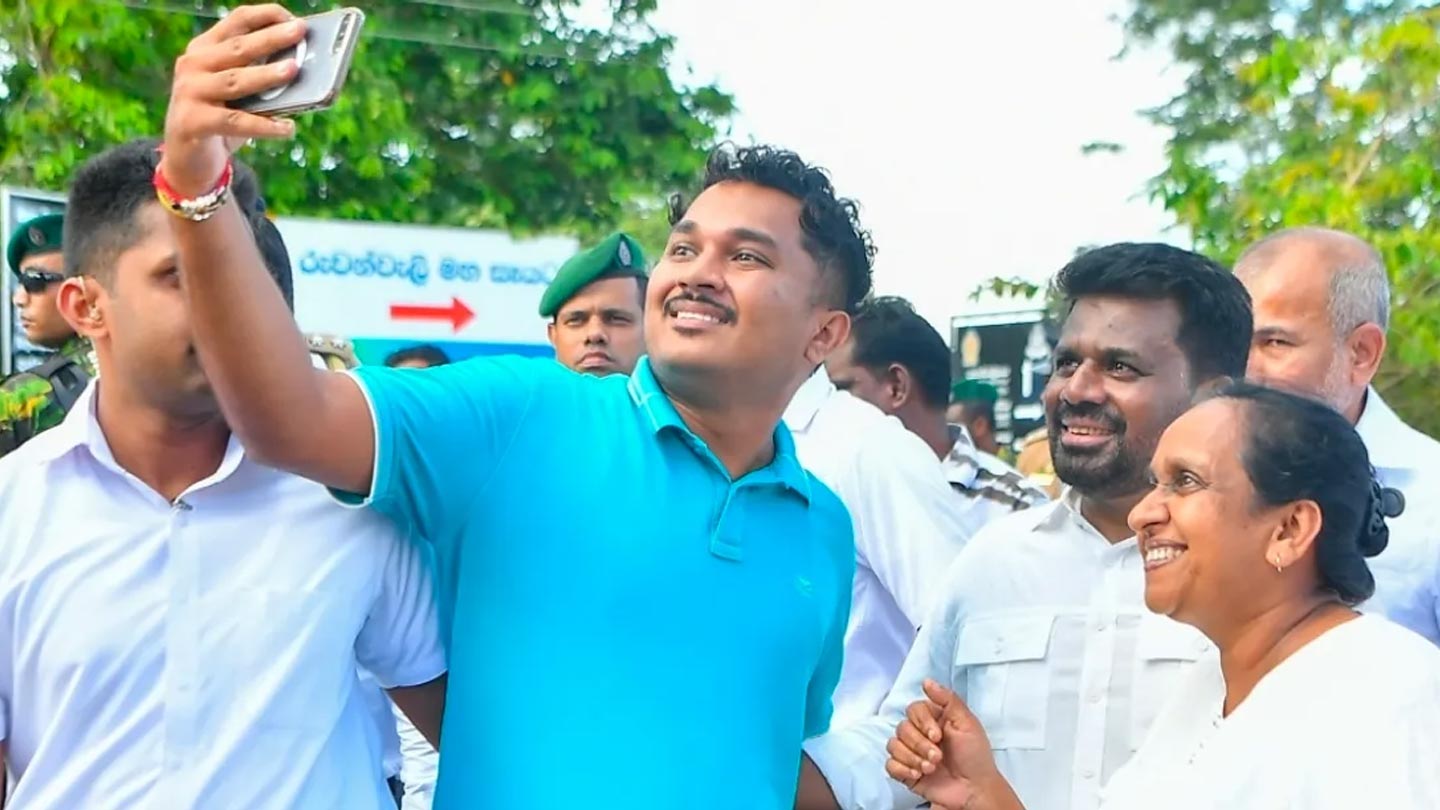
COLOMBO – Sri Lanka’s government moved quickly on Saturday to quash a social media rumour about the health of President Anura Kumara Dissanayake, with the President’s Office declaring that reports claiming he had been admitted to a private hospital were false.
The President’s Media Division said the claims, which spread across social platforms after a purported sudden illness, had no basis. The office urged the public not to be misled and to refrain from sharing unverified information without first checking official sources, according to statements carried by Ada Derana, Hiru News and the Daily Mirror on Oct. 24.
How the denial unfolded
The denial came within hours of the rumour gaining traction online. Local outlets ran the President’s Office statement on Saturday, and Gossip Lanka News shared it on X that evening, noting that the information was “entirely false” and was spreading without any basis. The rapid response reflects a lesson governments across South Asia have learned in recent years: when a leader’s health is in question, silence can fuel speculation, and speculation can move markets, unsettle allies and inflame political tensions.
No details have been given about the origin of the rumour, and officials did not say whether any action would be taken against those who spread it. The statement did not address any particular platform.
A leader in the spotlight
Dissanayake, 57, was elected president in September 2024, the first Sri Lankan president chosen in a second round of vote counting and the first not to come from the island’s traditional political parties. His National People’s Power coalition, led by the Janatha Vimukthi Peramuna, swept to power on promises to fight corruption and reset an economy still recovering from the 2022 financial collapse. Harini Amarasuriya serves as prime minister.
Because the presidency in Sri Lanka concentrates enormous executive authority, even the suggestion of a health scare can raise questions about continuity of government. In a country that has seen political upheaval in recent years, officials are keenly aware of how quickly unverified information can destabilize public mood.
A busy news week at home
The rumour surfaced during a week in which Sri Lanka was already juggling several pressing issues. Prime Minister Amarasuriya said on Oct. 24 that the war in the Middle East serves no one, a remark that came as the island navigated what the Daily Mirror described as a diplomatic tightrope. Sri Lanka also repatriated 40 Iranian sailors following a humanitarian rescue off Galle. The Navy and Coast Guard announced the seizure of more than 561 kilograms of heroin and crystal methamphetamine with a street value of an estimated Rs. 11.8 billion. A soldier was killed and 11 others were injured when an Army vehicle crashed in Mannar, and health officials continued to track a dengue outbreak.
Another storm is also on the horizon: a Bay of Bengal system expected to become a cyclone is not forecast to hit Sri Lanka directly, but could affect the island indirectly, according to local media.
The wider problem of misinformation
The false hospitalisation claim is the latest example of how misinformation about public figures spreads at speed in South Asia, where smartphone use and messaging apps have outpaced efforts at media literacy. Fact-checkers across the region say that health rumours about leaders are among the most common and most persistent forms of false news, often accompanied by fabricated screenshots or invented “sources.”
The President’s Office appeal, urging Sri Lankans to confirm reports through official sources before passing them on, mirrors guidance issued by governments and civil society groups worldwide. Experts recommend checking whether credible news outlets have reported the claim, looking for statements from official channels, and being wary of messages that urge users to forward them urgently.
Why it matters
For Sri Lanka’s government, the incident is a reminder that its ability to communicate quickly and clearly is itself a source of stability. The island is still rebuilding trust in institutions after a historic economic crisis, and rumours that suggest instability can erode confidence among citizens, investors and international partners.
For the public, the episode carries a simpler message. When a rumour about a head of state appears online, the best response is to pause before sharing. In this case, the President’s Office has made its position clear: the reports are false, and Sri Lankans are asked to wait for verified information before believing or spreading the claim.
Rumour Mill on Overdrive: Sri Lanka Shuts Down False Reports on President Dissanayake’s Health
- October 26, 2026
- TSA News
Rumour Mill on Overdrive: Sri Lanka Shuts Down False Reports on President Dissanayake’s Health
Tag :
Search Post
Popular Posts


Follow Us
Follow us on social media and never miss the latest updates, trending news, and exclusive stories.
0 Comments