

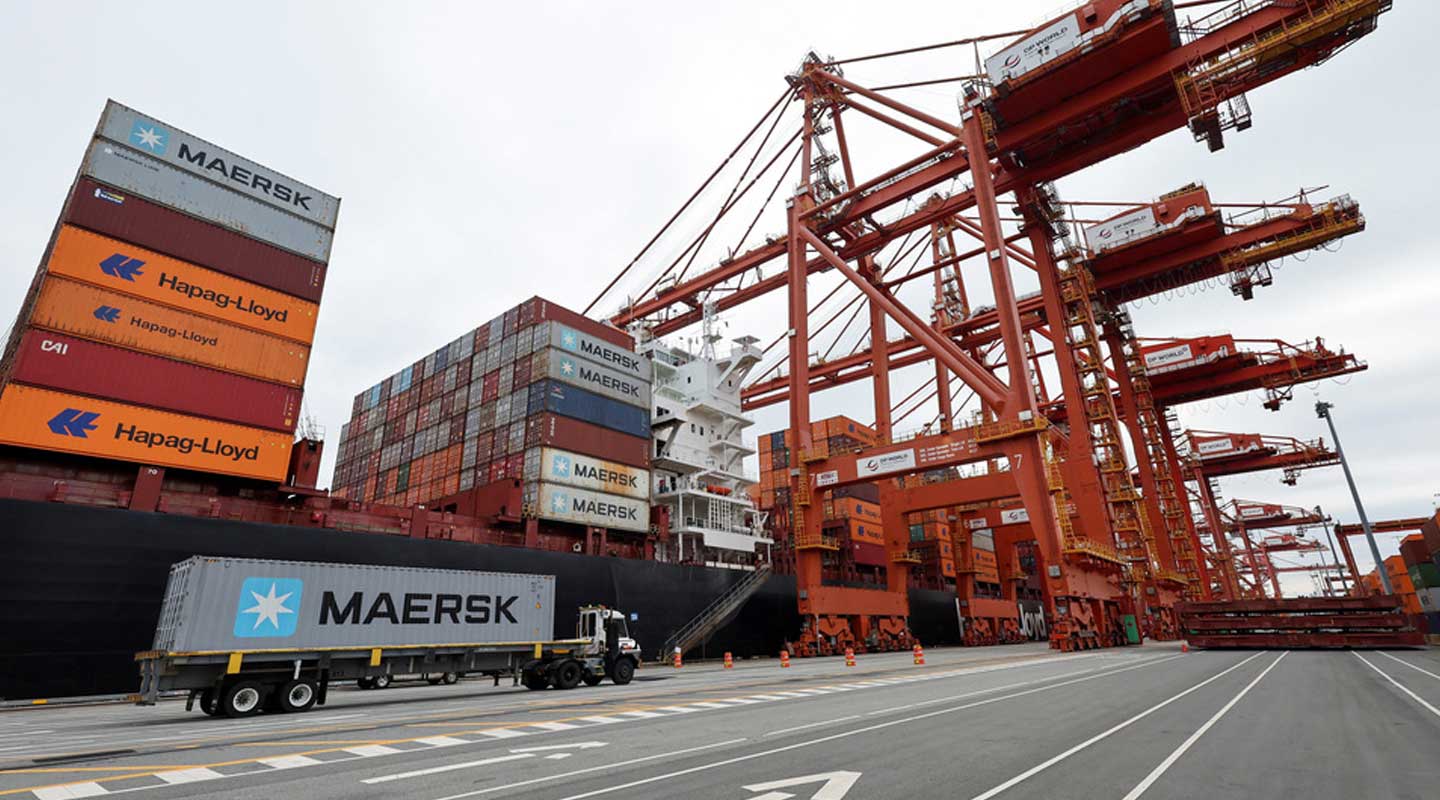
OTTAWA – Canadian exporters ran a race against the calendar in August, and the scoreboard shows it. The country’s merchandise trade surplus ballooned to its largest in more than four years.
Statistics Canada said the surplus widened to C$4.2 billion in August, as exporters rushed shipments to the United States ahead of new tariffs. Analysts polled by Reuters had expected only C$1.55 billion, up from an upwardly revised C$787 million in July. It was the sixth consecutive monthly surplus.
The underlying figures show a clear pattern. Exports to the U.S. jumped 8.1 per cent in August while imports from that country fell 2.5 per cent, as companies tried to beat looming 50 per cent tariffs. Overall exports rose 2.5 per cent to C$77.91 billion, after a 2.6 per cent drop in July. Imports fell two per cent to C$73.71 billion, led by a drop in motor vehicles and parts.
The surplus with the United States reached C$11.2 billion, the highest in 19 months. That lifted the U.S. share of Canadian exports to almost 70 per cent, the first time since September 2025. The shift is notable because it cuts against the diversification story Ottawa has been telling. For almost 18 months, Canada’s dependence on U.S. buyers had shrunk as exporters sought other markets. August briefly reversed that trend.
Several sectors drove the gains. Consumer goods exports rose 6.6 per cent, industrial machinery, equipment and parts rose 10.1 per cent, and electronic and electrical equipment rose 11 per cent. Refined petroleum and crude oil also contributed much of the increase. These are the kinds of shipments that companies can move earlier than planned when a tariff deadline approaches.
Trade with other countries moved the other way. After rising 8.2 per cent in July, exports to countries other than the U.S. fell 8.5 per cent in August. The deficit with non-U.S. partners widened to C$7.0 billion from C$5.3 billion in July. In other words, some of the headline strength came at the expense of the very markets Canada wants to grow.
Economists were quick to caution against reading too much into the number. One analysis suggested the surplus may say more about timing than demand, since markets tend to discount surprises driven by tariff deadlines. Front-loading typically borrows from future months. If exporters pulled forward shipments that would have gone out in September or October, those months may look weaker. Economists are waiting for September’s figures, which they expect to show a fuller picture of the new tariffs’ effect.
The data arrives amid a hard political backdrop. Talks between Ottawa and Washington remain stalled. U.S. President Donald Trump said on Monday, Oct. 5, that he was in no rush to restart negotiations and accused Canada of treating the United States badly. Days earlier, the U.S. trade representative struck a pessimistic tone, calling the outstanding issues difficult to resolve. A large Canadian surplus with the U.S. is also the kind of statistic Washington has often cited in arguing that trade is unfair.
The numbers still carry some good news for the broader economy. Trade is a direct input into growth estimates, so a strong month can lift near-term GDP tracking. The surplus can raise growth estimates in the short run, even if it proves temporary. The August data may also help the Bank of Canada as it weighs the strength of the economy against the drag from tariffs and a cooling housing market.
For businesses, the lesson is uncomfortable. Many exporters are making decisions based on tariff schedules, not customer demand. Shipping earlier means paying for inventory and logistics sooner, and it can strain working capital. Those costs rarely appear in a trade balance, but they matter to the companies bearing them.
Economists will be watching the next two reports closely. If September shows a sharp drop in exports to the U.S., the August surge will look like a one-off sprint. If the tariffs are delayed, softened or negotiated away, some of the rush may turn out to have been unnecessary. Either way, August will be remembered as the month Canadian exporters tried to outrun the clock, and largely succeeded.



0 Comments