

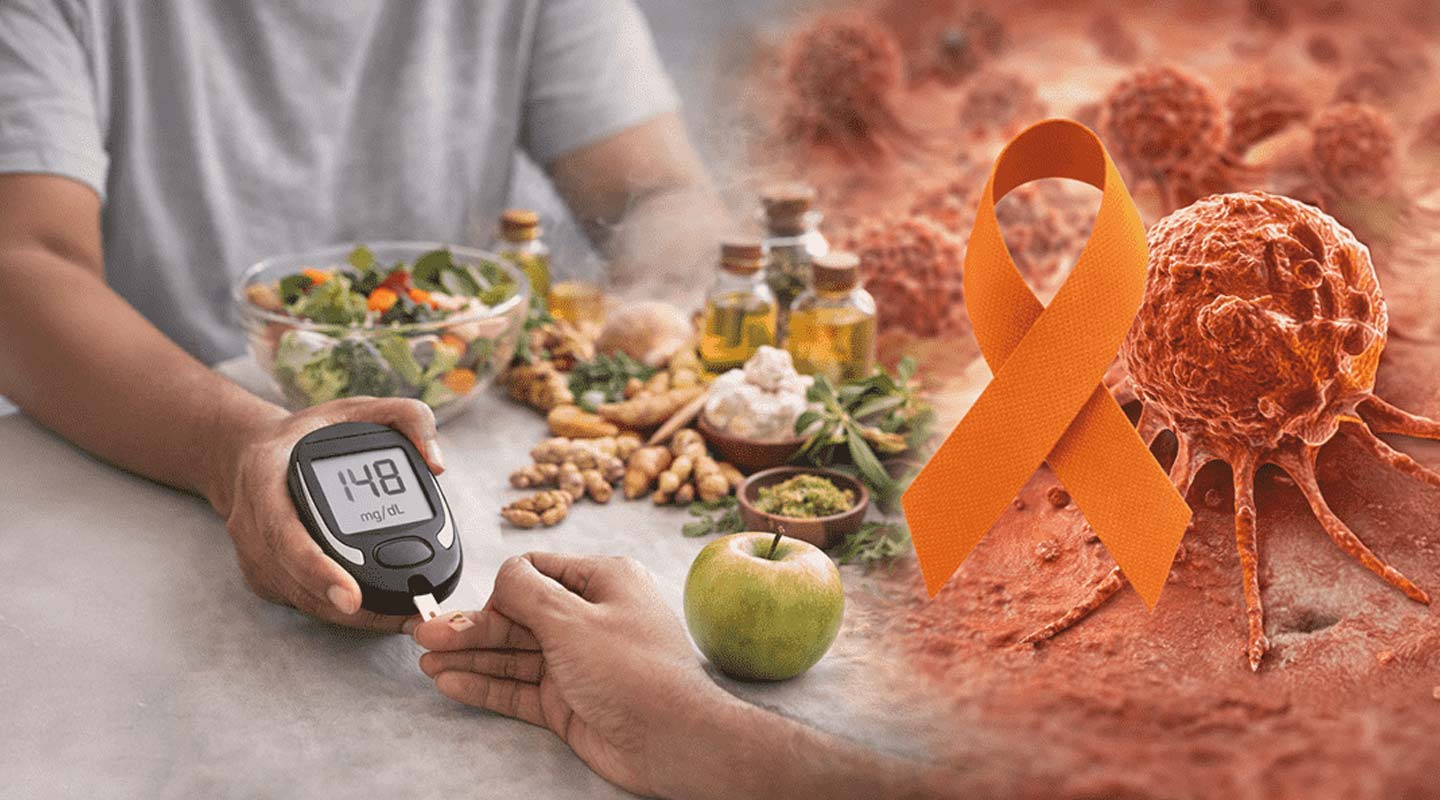
Ice cream and sweetened breakfast cereal are staples of many diets, but a large Korean study suggests that frequent servings may come with a cost. Women who ate more than two servings of high-sugar foods per week had a 28% higher breast cancer risk than women who ate those foods less than once per month, according to a study in the European Journal of Nutrition.
Who was studied
Researchers at Seoul National University drew on a long-running health project. The study included women aged 40 to 69 who took part in the Health Examinees-Gem study, conducted between 2004 and 2013 in nearly 40 general hospitals and medical centres in South Korea. After a mean follow-up of around nine years, researchers identified around 700 new breast cancer cases. Reports differ on the exact size of the cohort, so check the paper for that detail.
Participants completed food frequency questionnaires, and high-sugar foods were defined as sugar-rich food groups identified from those questionnaires. The study was published on Oct. 31.
The headline numbers
The 28% figure comes with a margin of uncertainty. The hazard ratio was 1.28, with a 95% confidence interval of 1.02 to 1.61. That range sits close to the “no effect” line, which signals that the finding is suggestive, not definitive.
Two foods stood out. Women who ate ice cream more than once a week had a 26 percent increased risk compared with those who didn’t eat it, while those who ate sugary cereals more than once every two months had a 34 percent higher risk than those who never ate it.
A surprising non-finding
The study did not find a link everywhere. Neither total dietary sugar nor fruit consumption showed a statistically significant association with breast cancer. That suggests the type of food matters. One summary said the findings suggest the types of foods supplying dietary sugar may be more relevant to breast cancer risk than overall sugar consumption. Another noted that naturally occurring sugars in whole fruit showed no similar association.
Important caveats
This kind of research has limits, and the authors were clear about them. The study was observational and showed an association, not proof that high-sugar foods cause breast cancer. Diet questionnaires rely on memory, and people who eat more sweets may differ from others in ways the researchers could not fully measure. The study also involved Korean women, and earlier work in this area has been mixed. Findings on total sugar intake or high-sugar foods and breast cancer risk have been inconsistent.
What experts say
Nutrition specialists did not frame the study as a reason for alarm. One expert quoted in coverage noted that high sugar consumption already has negative effects on diabetes, heart disease, tooth decay and liver disease, and that this study provides one more reason to limit it.
What it means for your plate
Nothing here suggests that a scoop of ice cream is dangerous. The more practical takeaway is about habits. Treat sugary cereals, desserts and other highly sweetened foods as occasional items rather than daily staples, and keep fruit, which showed no link, in regular rotation. Women with a family history of breast cancer, or other risk factors, should talk with their doctor about screening and prevention.
Researchers will want to see whether other populations show the same pattern. Until then, this study adds to a growing body of evidence that what we eat, and how often, may shape long-term cancer risk in ways we are only beginning to understand.



0 Comments