

ISLAMABAD / KABUL – Pakistan and Afghanistan’s Taliban government ended another turbulent week locked in a familiar cycle: gunfire along the border, a round of diplomacy hosted by China, and a fresh exchange of accusations over who is responsible for militant violence on Pakistani soil.
On Saturday, Oct. 17, Pakistani forces and Afghan Taliban personnel traded fire at several points along Pakistan’s northwestern frontier. Pakistani security officials and state-run media said troops, backed by artillery, destroyed Taliban posts, and that soldiers killed an unspecified number of Pakistani Taliban militants who were trying to cross from a remote area of eastern Afghanistan. A day later, Beijing announced that the two sides had agreed to avoid escalation during talks hosted in China.
The pause in fighting is welcome, but it has done little to narrow the gap between the two neighbours. By the end of the week, both capitals were again trading statements, and the diplomatic language was as sharp as it has been in months.
A hardening line in Islamabad
The week’s tone was set by Dawn’s Oct. 17 report that Pakistan had ruled out unconditional talks with Afghanistan. Officials stressed that Islamabad is not shying away from dialogue, including with Afghan representatives, but made clear that any engagement must address its central grievance: that the Tehrik-e-Taliban Pakistan, known as the TTP, and other armed groups use Afghan territory as a base to attack Pakistan. The Taliban authorities have avoided a categorical position on the TTP while rejecting the allegation that Afghanistan is being used as a launchpad.
On Saturday, Oct. 24, Pakistan urged the Taliban government to take “verifiable” action against militants operating from Afghan soil, dismissing Kabul’s assertion that Islamabad was shifting blame for its own security failures, according to The Washington Post. The following day, Pakistan’s Foreign Ministry went further. It pointed to a U.S. Lead Inspector General report to Congress covering January to March 2026, which stated that the Afghan Taliban continued to allow the TTP to operate from Afghan territory and that greater freedom for the group contributed to a rise in attacks against Pakistan. The ministry called Kabul’s claims diversionary and said peace in the region would come only when Pakistan’s core concern is verifiably addressed.
It was not the first such warning. On Oct. 12, Pakistan had urged the Taliban to stop militants from launching cross-border attacks, repeating a caution that the same armed groups could eventually threaten the Taliban’s own rule.
A violent October
The diplomatic exchanges follow a bloody start to the month. On Oct. 1, Pakistan carried out air strikes on what it described as camps and hideouts used by armed groups in Afghanistan’s Kunar and Helmand provinces. Pakistan’s information ministry said 22 fighters were killed. The United Nations mission in Afghanistan, however, reported that the strikes killed at least 10 civilians, mostly children, and injured nine more. The mission had said only a week earlier that it had documented more than 1,100 civilian deaths and injuries in Afghanistan so far this year.
Inside Pakistan, the security situation has also deteriorated. Coverage this month has pointed to a suicide bombing in Dera Ismail Khan that killed at least 12 people. On Oct. 11, Islamabad declared a state of emergency and imposed governor’s rule in Khyber Pakhtunkhwa, the opposition-controlled province bordering Afghanistan, citing the provincial government’s failure to ensure security. The move deepened a political dispute inside Pakistan even as the army confronted militants along the frontier.
The limits of mediation
This is not the first time outside powers have tried to cool the confrontation. After heavy fighting in October 2025, Qatar and Türkiye helped broker a ceasefire in Doha, announced on Oct. 19 of that year. Later rounds of talks failed to produce a lasting settlement, and sporadic clashes and air strikes have continued since. The China-hosted meeting this month is the latest attempt to keep the peace, and Beijing, a close partner of Islamabad with growing ties to Kabul, has an interest in stability along a border that sits near its own strategic projects.
But the structure of the dispute has not changed. Pakistan wants concrete, checkable steps against the TTP and allied groups. The Taliban say they cannot or will not meet those demands and reject claims that they host attackers. Without agreement on what “verifiable action” would look like, each round of talks risks ending in the same place.
What to watch
Several questions will shape the coming weeks. The first is whether the China-hosted understanding on avoiding escalation survives the next major militant attack inside Pakistan, which Islamabad would likely attribute to groups based in Afghanistan. The second is the civilian toll: with the UN warning of rising casualties in Afghanistan, further Pakistani strikes could trigger international criticism and Taliban retaliation. The third is the domestic politics of Pakistan itself, where the emergency in Khyber Pakhtunkhwa has complicated the government’s counterterrorism message and exposed infighting at a moment when unity is needed.
For the people who live along the Durand Line, the diplomacy offers little comfort. Markets, trade routes and family ties that span the frontier have been repeatedly disrupted by closures and clashes since last year’s fighting. A pause brokered in Beijing may hold for days or weeks. Whether it becomes something more durable depends on whether the two governments can agree, finally, on who is responsible for what, and what each is prepared to do about it.
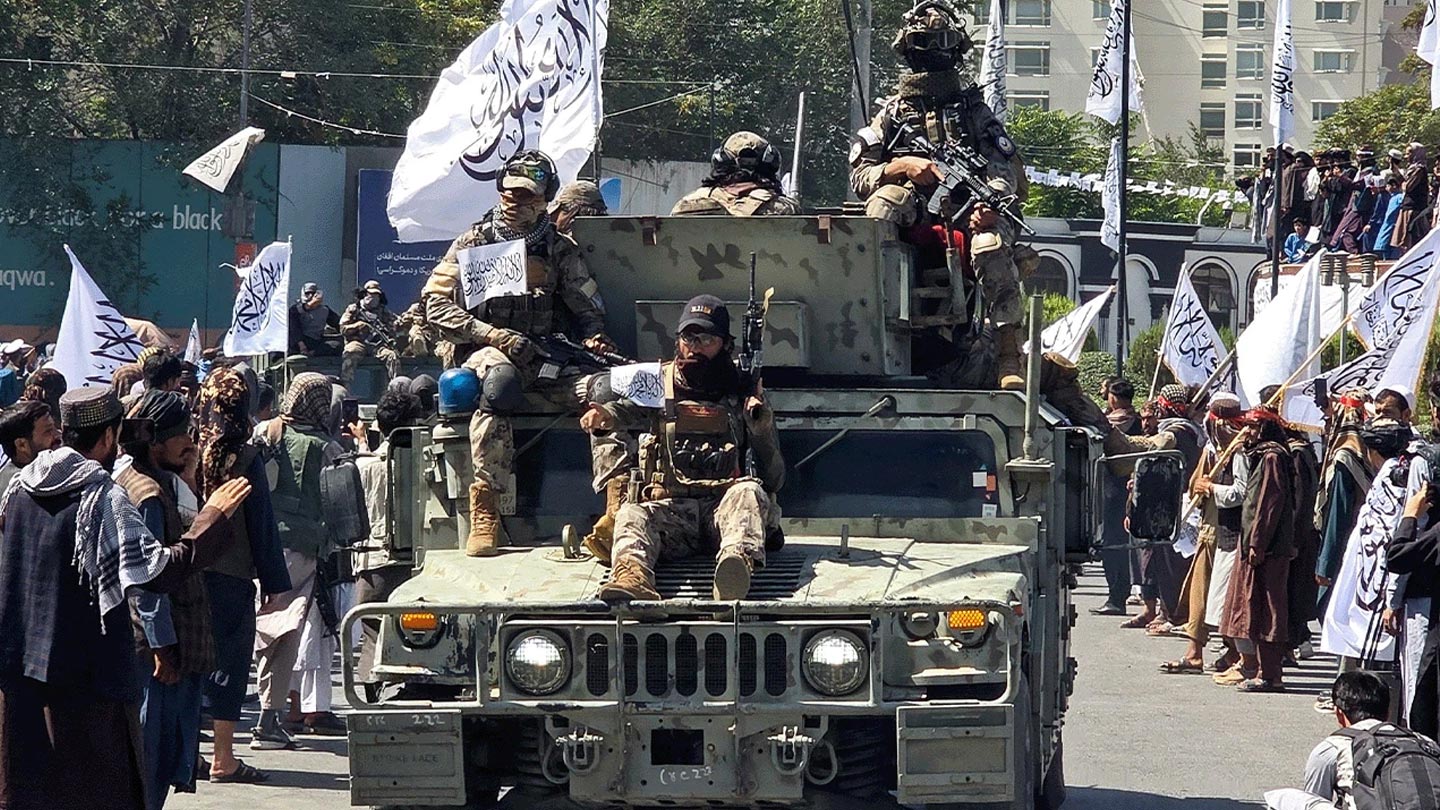
Guns, Talks and Mistrust: Pakistan and Afghanistan Step Back From the Brink — Again
- October 26, 2026
- TSA News
Guns, Talks and Mistrust: Pakistan and Afghanistan Step Back From the Brink — Again
Tag :
Search Post
Popular Posts



Follow Us
Follow us on social media and never miss the latest updates, trending news, and exclusive stories.
0 Comments