

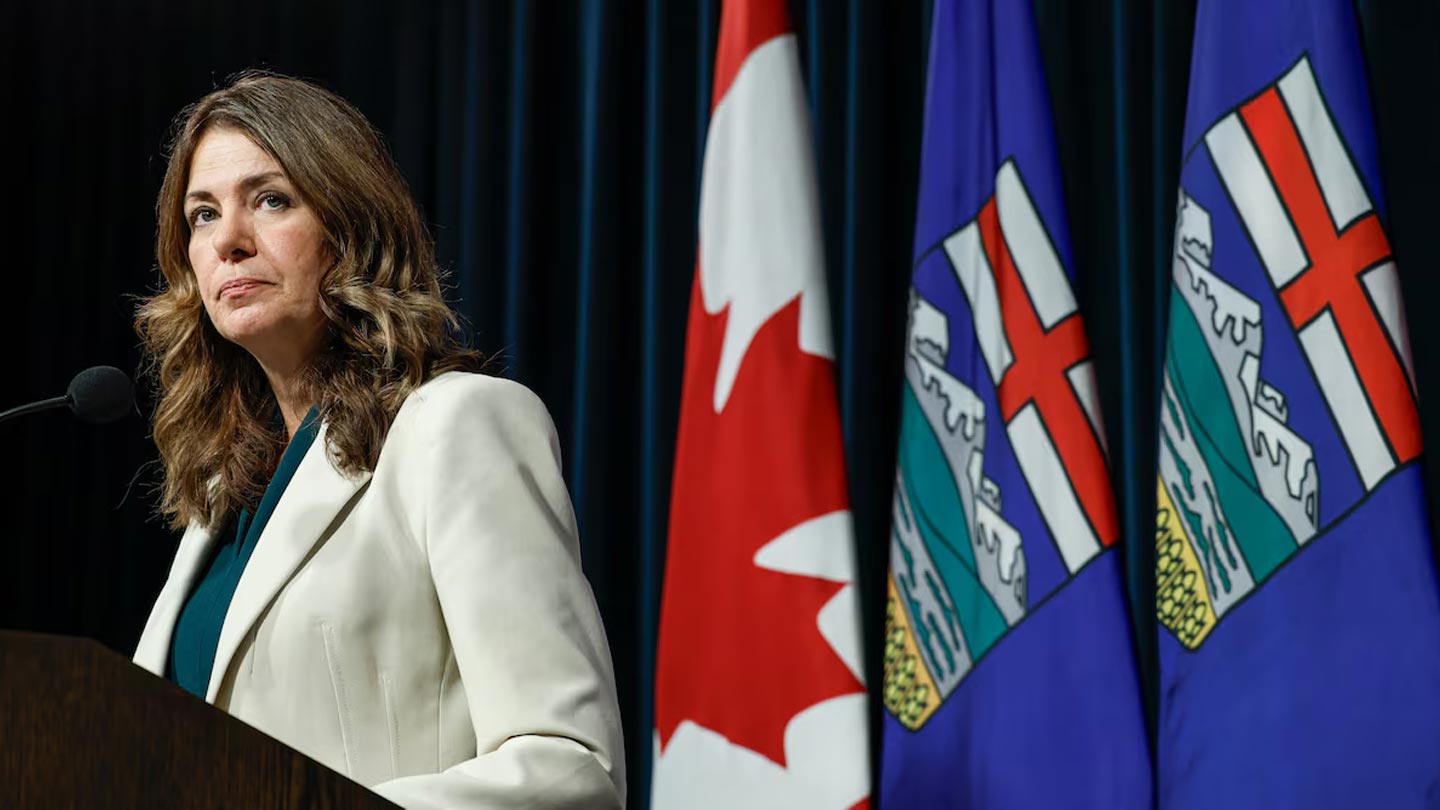
EDMONTON – Albertans have settled one question decisively and left several others in doubt. In a ten-question referendum held Oct. 19, roughly three-quarters of voters chose to remain in Canada, delivering a clear rebuke to separatist forces. But Premier Danielle Smith’s own proposals on immigration and constitutional change fared far worse, leaving her without the strong mandate she had sought.
Preliminary results showed about 75 per cent of voters backing Alberta remaining a province of Canada, with roughly 25 per cent, or about 519,000 votes, supporting the independence option. CBC News projected the “no” result late on referendum night. Smith addressed the province shortly afterward, saying that as long as she remains premier, separation is a dead issue and ruling out a second referendum on the subject.
How the referendum came together
The road to Monday’s vote was long and legally complicated. Smith announced in February that Alberta would hold a referendum on Oct. 19, and in late March her government approved orders-in-council setting out nine questions covering immigration, social services, election security and constitutional matters. Then, in 2025, her government had loosened the rules of the Citizen Initiative Act, lowering the threshold for citizen-led petitions. A pro-independence group collected signatures for a separation question, and after an Alberta judge found an earlier proposed separation question unconstitutional in December 2025, the question was reworked. On May 21, Smith announced in a televised address that a remain-or-separate question would be added to the ballot. As designed, a vote to leave would not have compelled the government to seek separation, but would instead have opened the door to a later referendum.
The result is the first of three political contests that will shape Alberta’s future. The next is B.C.’s provincial election, which concluded Saturday, and the last is the 2027 Alberta provincial election.
The nine other questions
The separation question was only one of ten. The remaining nine, which Smith’s government promoted with about $4 million in public advertising, were where the premier hoped for a mandate. They included five non-constitutional questions about immigration and citizenship, such as giving Alberta more control over immigration to reduce levels and to prioritize economic migrants and Albertans for jobs, and four constitutional questions meant to bolster Alberta’s push for autonomy.
The results were mixed. The five immigration-related questions passed, but with slim majorities rather than the emphatic endorsement the United Conservative Party had expected. The four constitutional questions, by contrast, were all narrowly rejected. Smith had said she would act on the first nine questions with a simple majority, a 50-per-cent-plus-one threshold, and she claimed victory on the immigration proposals in the immediate aftermath. But when asked the following day how she would proceed on immigration, she hedged.
The Globe and Mail described the outcome as leaving Smith without the mandate she explicitly sought to challenge Ottawa for more powers. The non-constitutional results are not binding on the government, and legal analysts say Ottawa can largely set aside the constitutional questions.
An urban-rural divide
The returns revealed a sharp split between urban and rural Alberta. Smith herself acknowledged a divide in how the province voted, noting that the constitutional questions were a lower priority for many residents. Many Calgary ridings that will be hotly contested in the next provincial election rejected the immigration proposals, a warning sign for the UCP. Commentators noted that voters did not appear to be clamouring for a referendum on immigration, and that the government’s framing raised doubts about its intentions.
Immigrant and migrant advocacy groups voiced alarm at the results of the immigration questions, particularly proposals to roll back access to programs such as health care for newcomers. Meanwhile, Saskatchewan and Newfoundland and Labrador joined Alberta’s push for expanded immigration powers during the week, giving Smith some provincial allies as she considers her next steps. Smith has pointed to Quebec’s arrangement with Ottawa as a model for what she wants.
Smith and the separatists
The independence result is a victory for national unity, but it created an internal problem for the UCP. Smith used a Wednesday news conference in Calgary to tell separatist members of her party to either support the will of the voters or leave. “The United Conservative Party is not an independence party,” she said. She also described the vote as providing a clear mandate to defend Alberta’s jurisdiction “using every legal and political tool.”
But pro-independence groups did not disappear. Analysts reported that separatists, having lost the vote, plan to continue their fight inside the UCP, seeking influence over party processes and nominations. Some party figures in Smith’s own riding said they were on board with her position, while others acknowledged a persistent disappointment among those who voted for independence. CBC reporting also captured a mix of disappointment and hope among Albertans who had supported leaving.
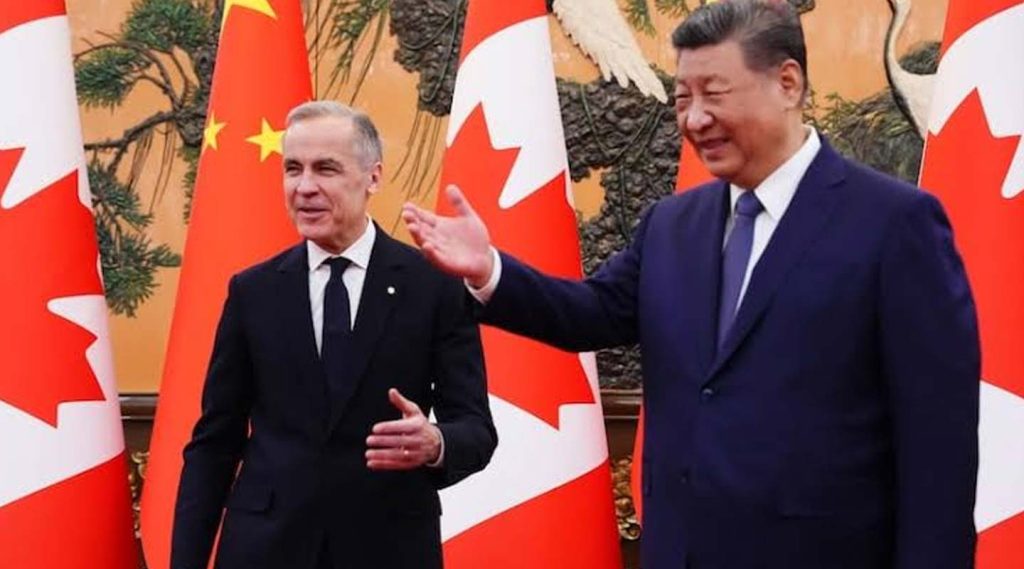
Prime Minister Mark Carney welcomed Alberta’s rejection of separation, though he also noted that the other referendum questions complicated the picture. Federal officials will now have to decide how seriously to treat the immigration results, which commentators have said should be taken seriously but not literally.
Trade fallout and the road ahead
The referendum has also entered the Canada-U.S. trade conversation. CTV News reported that a top Trump adviser blamed the Alberta vote for delays in a trade deal, a claim that has yet to be independently examined in detail. The political uncertainty comes as Canada continues to face 50 per cent U.S. tariffs imposed in August, and as Ottawa and the provinces try to present a united front.
A chaotic scene on the Saturday before the vote also reminded Albertans of how fragile ordinary events can be. A deadly wildfire at CFB Wainwright forced Elections Alberta to close an advance polling station in the town early on the final day of advance voting.
With a provincial election due in 2027, Smith must now decide how to proceed. She has said she will continue to press for more autonomy and will not hold another separation vote, and she has mused about further referendums on other topics, including photo radar. Whether voters will tolerate more plebiscites, after a ballot that left many confused and some unconvinced, is far from certain.
The lesson of Oct. 19 may be that Albertans are more attached to Canada than the loudest voices suggested, and more skeptical of their own government’s agenda than the premier hoped. For Smith, the referendum settled the question she most wanted settled, and exposed doubts about the ones she cared about most.
Alberta Votes to Stay: Separatism Loses Big, but Danielle Smith’s Mandate Falls Short
- October 26, 2026
- TSA News
Alberta Votes to Stay: Separatism Loses Big, but Danielle Smith’s Mandate Falls Short
Tag :
Search Post
Popular Posts

Follow Us
Follow us on social media and never miss the latest updates, trending news, and exclusive stories.
0 Comments