

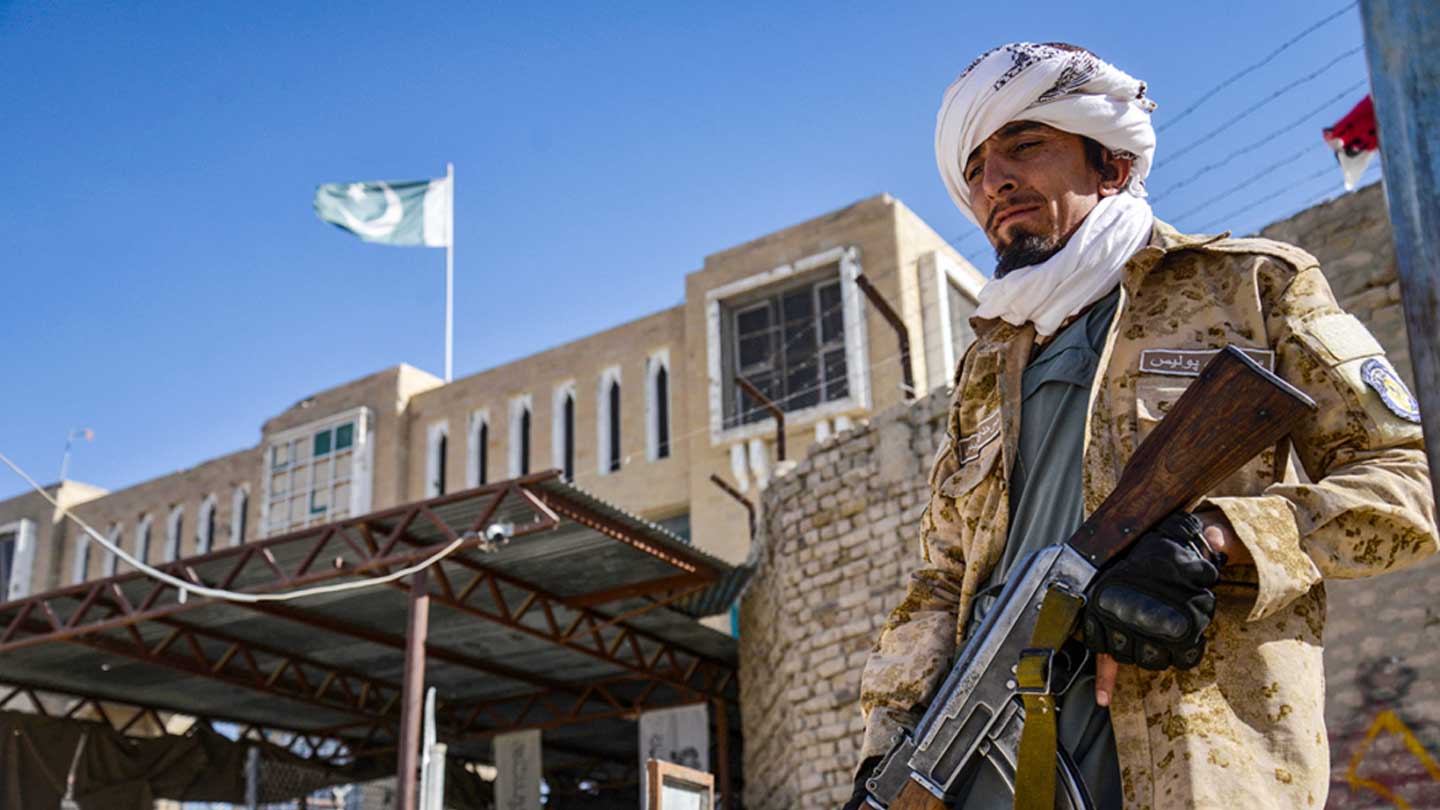
ISLAMABAD/KABUL, Sept. 27, 2026 — A fragile spell of calm along the Pakistan-Afghanistan border has ended in a week of airstrikes, drone allegations and rival casualty claims. Regional mediators now face the risk of a wider confrontation.
Strikes and counter-claims
The latest round began on Sept. 21, when Pakistan’s information ministry said 28 “terrorists” and suicide bombers were killed in airstrikes on three targets in Afghanistan. Kabul told a different story. Taliban spokesman Zabihullah Mujahid said Pakistani forces bombed civilian areas in Kunar and Paktika provinces, leaving three people dead and four injured.
Three days later, the fighting widened. Pakistan said it hit 10 locations in Afghanistan that it described as used to launch and store drones. Information Minister Attaullah Tarar said some of those drones had been used against Pakistan a day earlier. Mujahid said the strikes hit Kandahar, Paktia and Khost provinces, and Taliban officials denied launching any drones.
Islamabad insisted it was not seeking a bigger fight. Pakistan said it “does not seek escalation” but would respond immediately to any violation of its sovereignty. Kabul, however, promised an “appropriate response.”
A new claim from Kabul
On Sunday, Sept. 27, Afghanistan’s Defence Ministry said its forces killed 28 fighters in the eastern province of Nuristan who had crossed the border from Pakistan. The ministry alleged that most were former Afghan government security personnel recruited by Pakistani intelligence, and that some were ISIS fighters. Pakistan has not confirmed the account, and the claims have not been independently verified.
The Al Jazeera report noted that the Sept. 21 strikes also drew criticism, with Afghan officials and the United Nations saying civilians were killed.
Why it keeps happening
At the heart of the dispute is a familiar accusation. Islamabad says Kabul shelters militants who launch cross-border attacks, and Kabul denies it, calling militancy Pakistan’s internal problem. Pakistan’s security forces have faced stepped-up attacks by the Pakistani Taliban, known as the TTP, whose momentum has been boosted by the Afghan Taliban’s return to power in 2021.
The current flare-up follows months of hostility. Earlier this year Pakistan said 67 Afghans and one Pakistani soldier were killed in border clashes, and a ceasefire lasting until March 23 was declared. This month, Pakistani forces also killed 15 militants trying to cross into the country. The week’s airstrikes ended several weeks of relative calm.
Mediation at risk
The timing is awkward for diplomats. Analysts say the escalation threatens mediation efforts by regional powers, which had been working to keep the two neighbours talking. Saudi Arabia, for example, helped secure the release of three captured Pakistani soldiers in February.
Each strike also hardens positions. Pakistan frames its attacks as counter-terrorism. The Taliban frame them as violations of Afghan sovereignty and attacks on civilians. With both sides insisting they are the wronged party, neither has an easy path to de-escalation.
Human cost
Civilians pay the price. Residents in Kunar, Khost and other border provinces have shown reporters damaged homes and belongings pulled from rubble. For families already coping with displacement and returns of Afghan refugees from Pakistan, renewed bombing adds another layer of insecurity.
What to watch
Three things matter in the days ahead. The first is whether Kabul makes good on its promised response, which could trigger a further round of Pakistani strikes. The second is whether the Nuristan claims are confirmed or rejected by Islamabad. The third is whether outside mediators can secure a new ceasefire before the pattern of strike and counter-strike sets in.
For now, the border remains one of South Asia’s most volatile flashpoints, and the past week suggests the lull was only that.



0 Comments