

“Levelling the Playing Field: Toronto Unveils Bold New Plan for Inclusive Youth Sport”
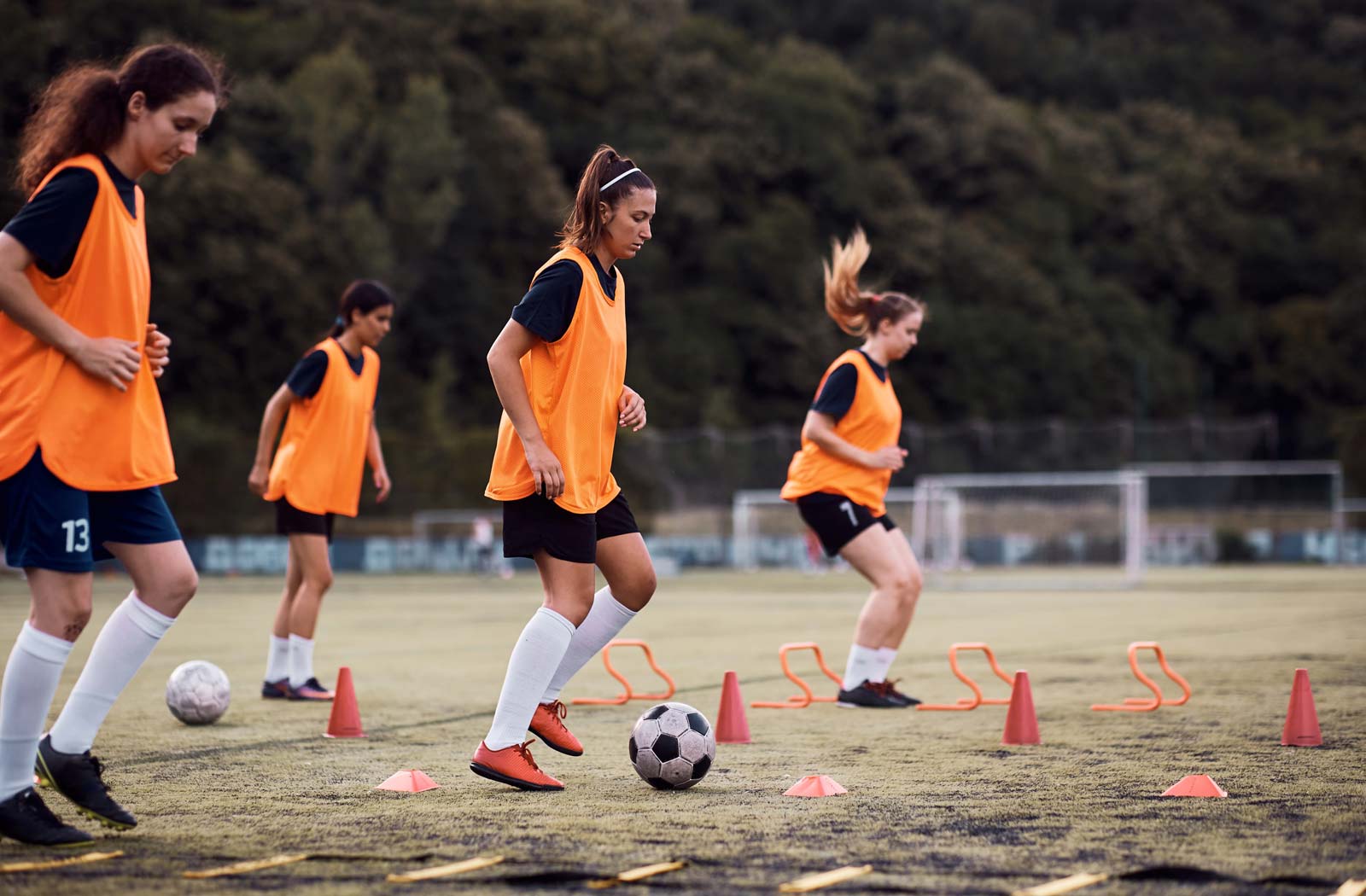
Canada’s sporting landscape took a meaningful step toward inclusivity on September 9, when a new national initiative called RE.sport was launched in Toronto, aimed squarely at improving access to youth sport for underrepresented communities across the country. RE.sport, a national partnership for working toward equitable, diverse, and inclusive participation in youth sport across Canada, was unveiled with the goal of reshaping how young Canadians — regardless of background, income, or geography — engage with organized sport.
While details of the full program remain to be unveiled in stages, the initiative fits into a broader wave of youth-sport development efforts that have been gaining momentum across Canada in recent months. Around the same period, other organizations were rolling out similarly themed programs. Boxing Canada, for instance, has been developing a parallel effort focused on Indigenous youth. A new-look women’s team and a men’s group with its sights set on the podium will give UPEI Cross Country two very different storylines, while separately, a youth development program will provide Indigenous youth ages 10–14 with boxing training, mentorship and a possible pathway to the national stage, Boxing Canada, in partnership with other organizations, has been building out its own community outreach.
The timing of RE.sport’s launch is notable, arriving in a year when Canada’s sporting profile has been unusually high on the international stage. The country played host, alongside Mexico and the United States, to the 2026 FIFA World Cup — the first edition of the tournament staged across three nations and the first World Cup held in North America since 1994. That tournament brought unprecedented attention to soccer specifically, and to sport participation broadly, across Canadian cities. When North America hosted the 2026 FIFA World Cup, 13 matches took place in Toronto and Vancouver. While the Canadian Men’s team took the nation on an incredible ride, it was also about Canada emerging as a soccer nation.
That surge in visibility appears to have translated into concrete concern — and opportunity — around whether children across the country are actually benefiting from that renewed enthusiasm. Recent research suggests there is still considerable work to do. The Jumpstart Foundation State of Sport Report (2026) shared that children across Canada… face ongoing barriers to participation, a finding that organizations like RE.sport are explicitly trying to address.
RE.sport’s arrival also reflects the increasingly coordinated nature of Canada’s sport development ecosystem, where national bodies, universities, and community programs are working in tandem rather than in isolation. The Sport Information Resource Centre (SIRC), which has tracked and supported the advancement of Canadian sport for decades, has positioned itself as a hub connecting these initiatives. For more than 50 years SIRC has supported the advancement of Canadian sport through the latest research, best in class resources, and an extensive national network.
The launch also comes amid other structural shifts in how Canadians engage with organized sport at the collegiate and grassroots level. Just days after RE.sport’s unveiling, U Sports — the national governing body for university sport — announced a new partnership with a sports technology provider to modernize how programs manage data and engagement. U SPORTS, the national governing body for university sport in Canada, and PrestoSports, a leading provider of sports technology for collegiate athletic organizations, announced an… partnership, signaling that inclusivity and infrastructure investment are becoming parallel priorities across Canadian sport.
For advocates of youth sport access, RE.sport represents more than a single program — it’s being framed as part of a broader cultural shift in how Canada thinks about sport participation, particularly for communities that have historically been underserved by traditional club and school-based systems. Whether the initiative can convert its ambitious framing into tangible outcomes — more coaches, more affordable programming, more accessible facilities — will likely become clearer as RE.sport rolls out further programming details in the months ahead. For now, its launch marks a symbolic marker: a signal that Canada’s post-World Cup sporting momentum is being consciously redirected toward the next generation.





0 Comments